A cold room lets a poultry farm, butcher, hotel or distributor hold stock until the right time to sell or use it. Here is what to decide before you build one.
1. Storage or freezing?
This is the most important question. A storage cold room keeps product that is already frozen at a steady temperature. Freezing fresh, warm product needs much more refrigeration capacity, because all the heat in the meat has to be removed quickly. Tell your contractor how much fresh product you will load each day and how warm it will be. That figure drives the size of the refrigeration equipment.
2. Choose the temperature
- Frozen storage: around −18 °C, the common standard for frozen meat and poultry.
- Chilled storage: around 0 to +4 °C, for fresh meat, dairy, fruit and vegetables held for short periods.
A room built for chilled storage cannot simply be turned down to freezer temperatures. The insulation and equipment are different.
3. Size the room for your stock
Work out the weight you need to hold at peak, then allow space for shelving, air flow around the stock and people moving inside. Product packed tight against the walls or the evaporator blocks the cold air and leaves warm spots.
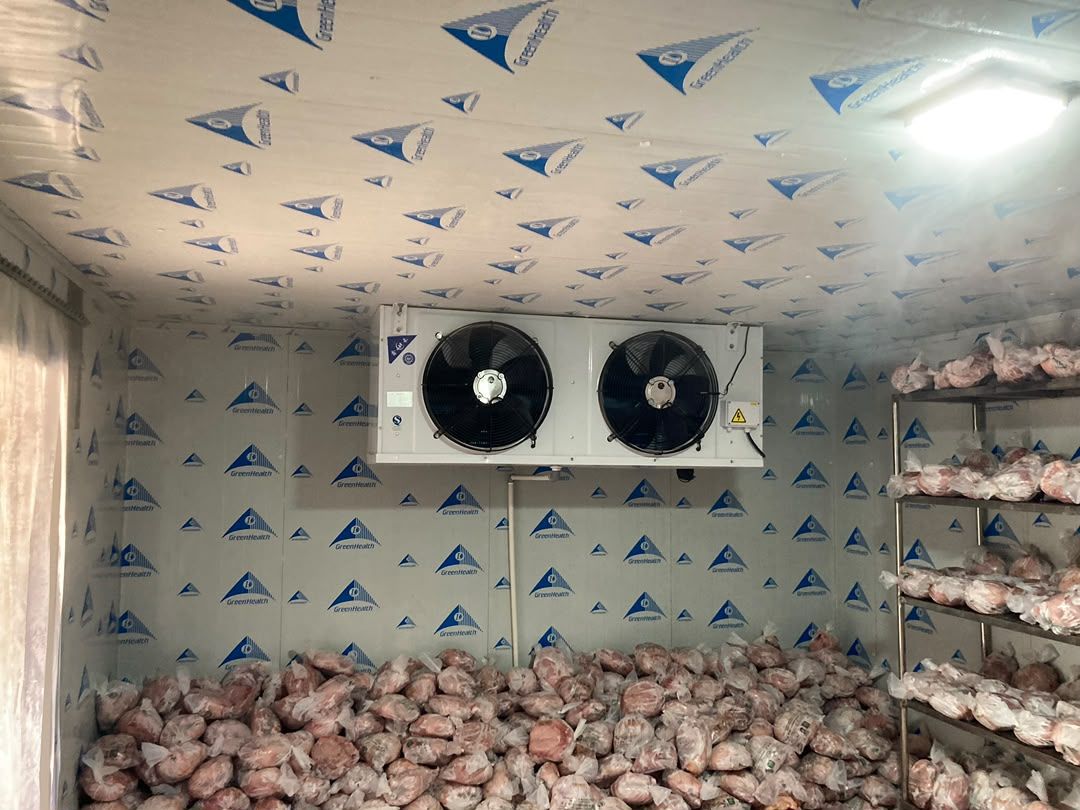
As an example, the poultry cold room we installed lets our client store 2,000 chickens.
4. Insulation and the door
Freezer rooms are built from insulated sandwich panels, commonly 100–150 mm thick. The door matters as much as the walls: a good seal, a heated frame on freezer doors to stop it icing shut, and a strip curtain inside to limit the warm air that rushes in every time it opens.
5. Refrigeration equipment
- Condensing unit outside, with shade and good air flow. Equipment baking in direct sun works harder and fails sooner, which is why we mount ours on a raised, sheltered plinth.
- Evaporator inside, with fans that circulate cold air evenly.
- Controller with a temperature display, alarms and automatic defrost. Ice on the evaporator coil blocks air flow and the room slowly warms if it is never cleared.
6. Power and protection
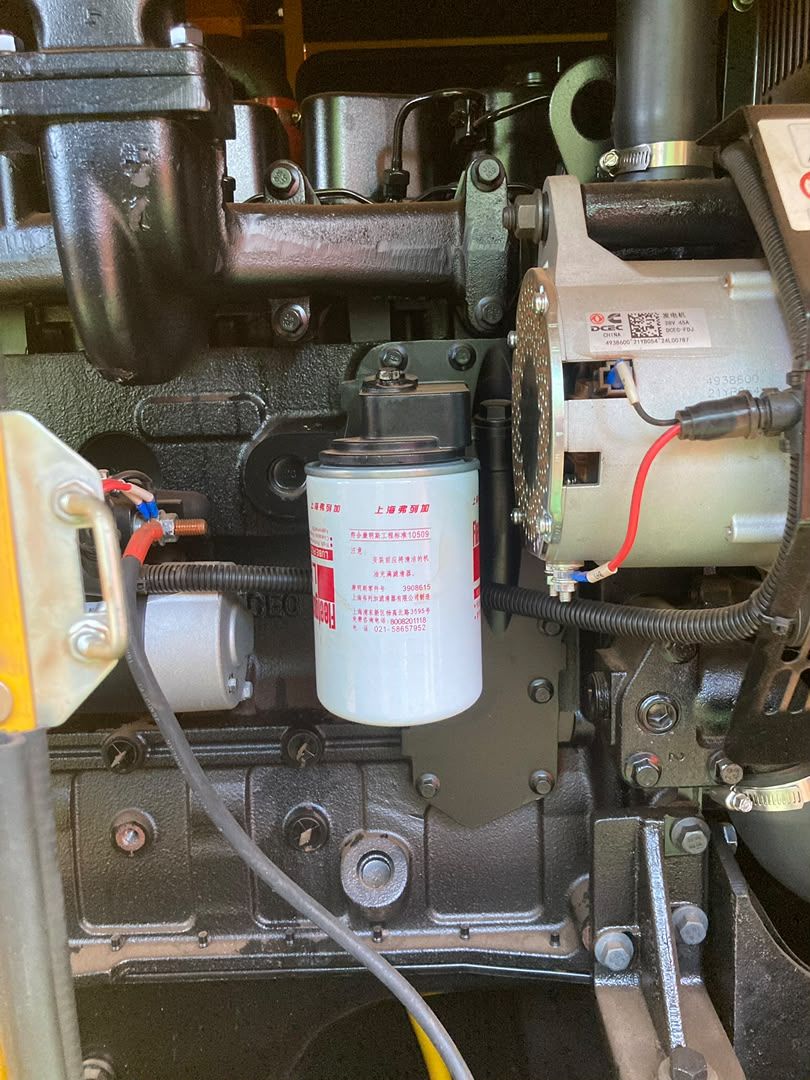
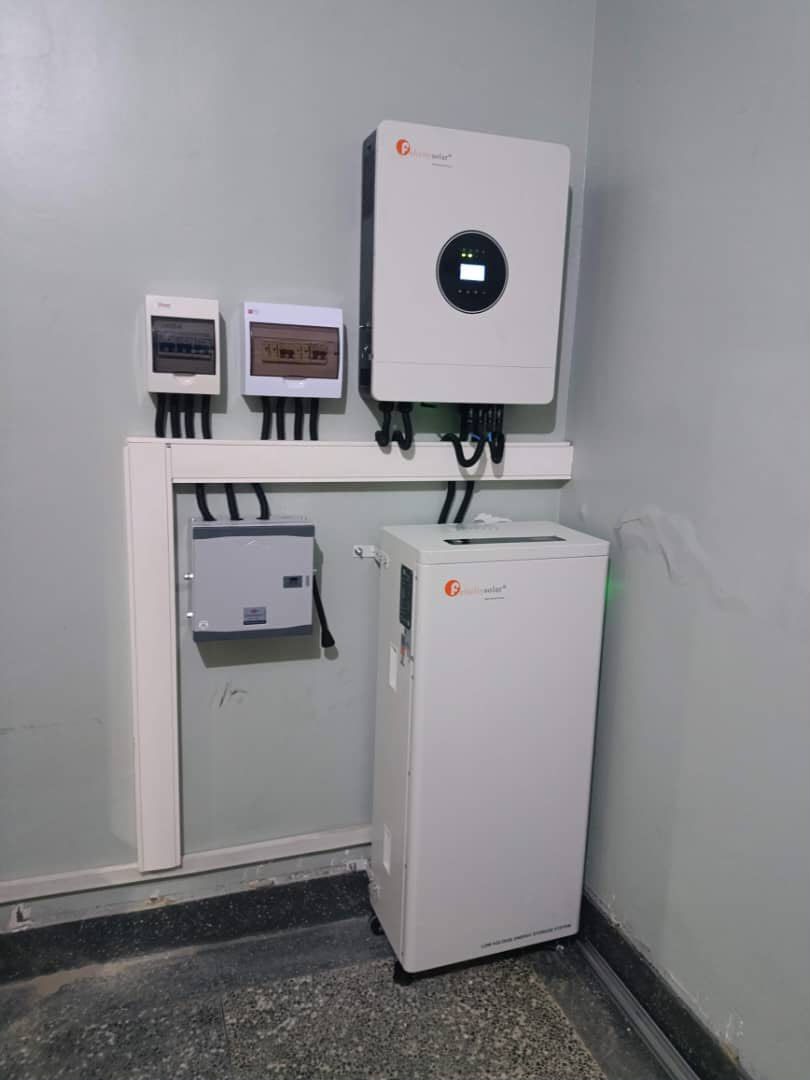
A compressor is the most expensive part of the system. Protect it with correctly rated contactors, an overload relay and a phase-failure relay, which stops it running if one phase of the supply drops. Plan for power cuts too. Frozen stock in a closed room stays cold for some hours, but a long outage needs backup power. Our Power Planner gives a first estimate of the generator or battery size.
7. Keep it maintained
Clean condenser coils, check door seals, confirm defrost is working and record temperatures daily. A small leak or a dirty coil caught early costs far less than a room full of spoiled stock. Our maintenance contracts cover cold rooms and refrigeration.